The easiest way to make a Universal Orlando day educational is to choose one question before entering the park. Ask it at two or three stops, spend a few minutes talking, and let the rest of the day be a vacation.
A child who loves dinosaurs could compare evidence with imagination at Jurassic Park. A coaster fan could look for forces and track shapes. A reader could notice what changes when a book becomes a land or ride. One theme is enough. Trying to cover science, history, art and literature in one afternoon usually turns a good idea into homework.
Start with one question, not a worksheet
Pick a question your child already cares about. “How does a launch feel different from a lift hill?” is better than “learn physics.” “How did designers make this place feel like a comic strip?” is better than “study art.” The question gives everyone something specific to notice.
Keep the activity short. Talk while waiting, looking at a set or eating a snack. Ten focused minutes can lead to a useful conversation. Stop when interest fades. No quiz at the hotel.
| Interest | Good starting point | Simple question |
|---|---|---|
| Dinosaurs and biology | Jurassic Park Discovery Center | Which parts look like evidence, and which parts belong to the movie story? |
| Motion and machines | Stardust Racers or Jurassic World VelociCoaster | Where do you feel acceleration, turning and airtime? |
| Books and adaptation | Seuss Landing or the Wizarding World | What did the designers keep, combine or change? |
| Drawing and graphic design | Toon Lagoon | How do words, color and scale make a flat comic feel physical? |
| Stagecraft and film | The Bourne Stuntacular or Horror Make-Up Show | Which effects happen live, and which come from screens, sound or lighting? |
Science and math that fit naturally into the parks
Use coaster sensations as evidence
You do not need formulas to talk about forces. Before a ride, predict where the train will speed up, slow down or change direction. Afterward, compare the prediction with what everyone felt. Look at hills, curves, launches and brakes from a public viewing area. Ask why a turn is banked or why riders feel lighter over a crest.
On Stardust Racers, compare the two tracks. Do they mirror one another? When do the trains appear close together? A younger child can trace shapes in the air. A teen can sketch a rough speed-versus-time graph from memory without pretending it is measured ride data.
Ride restrictions and loose-article rules matter more than the activity. Check the app and posted signs before joining a queue. A child can still study the track, timing and rider reactions without boarding.
Separate paleontology from science fiction
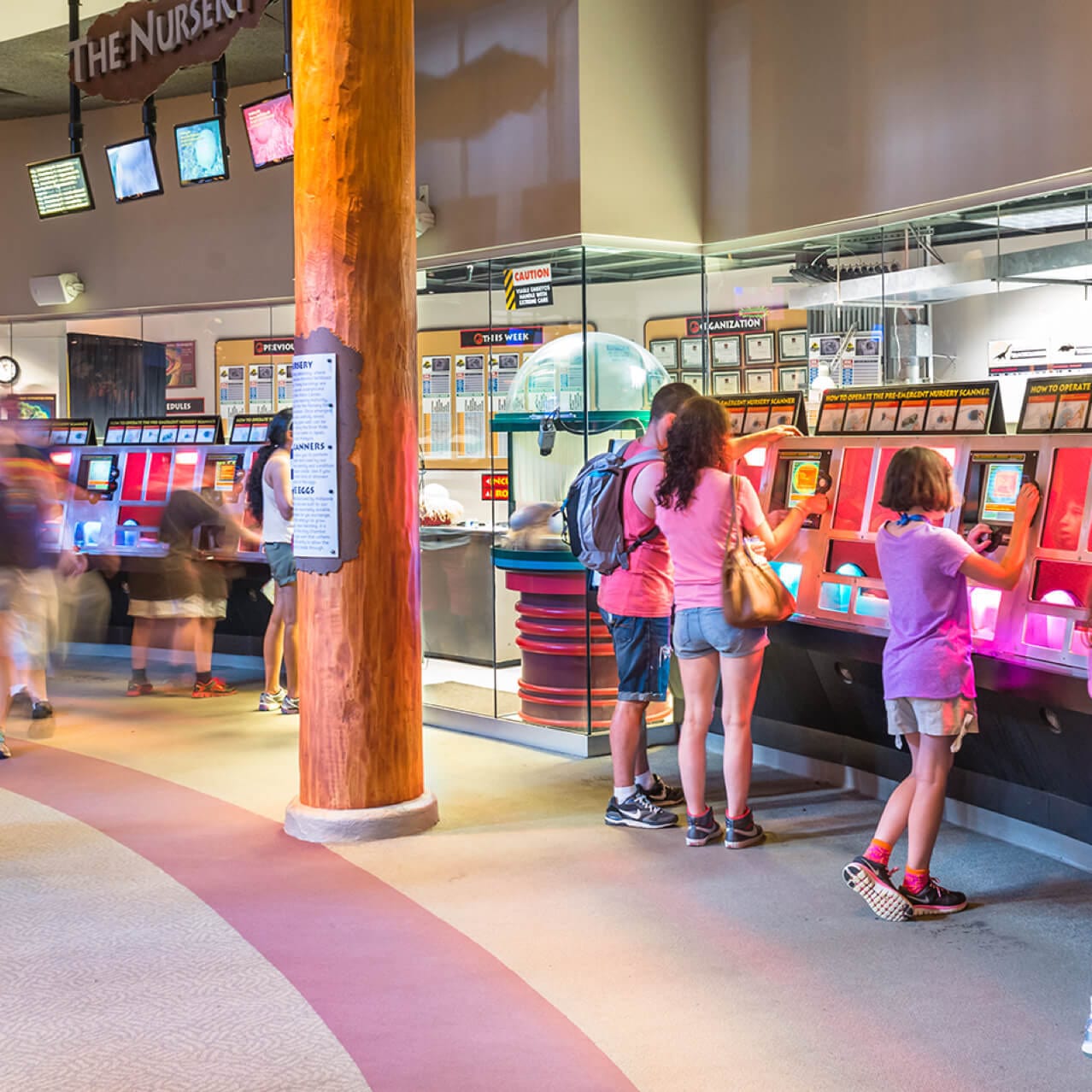
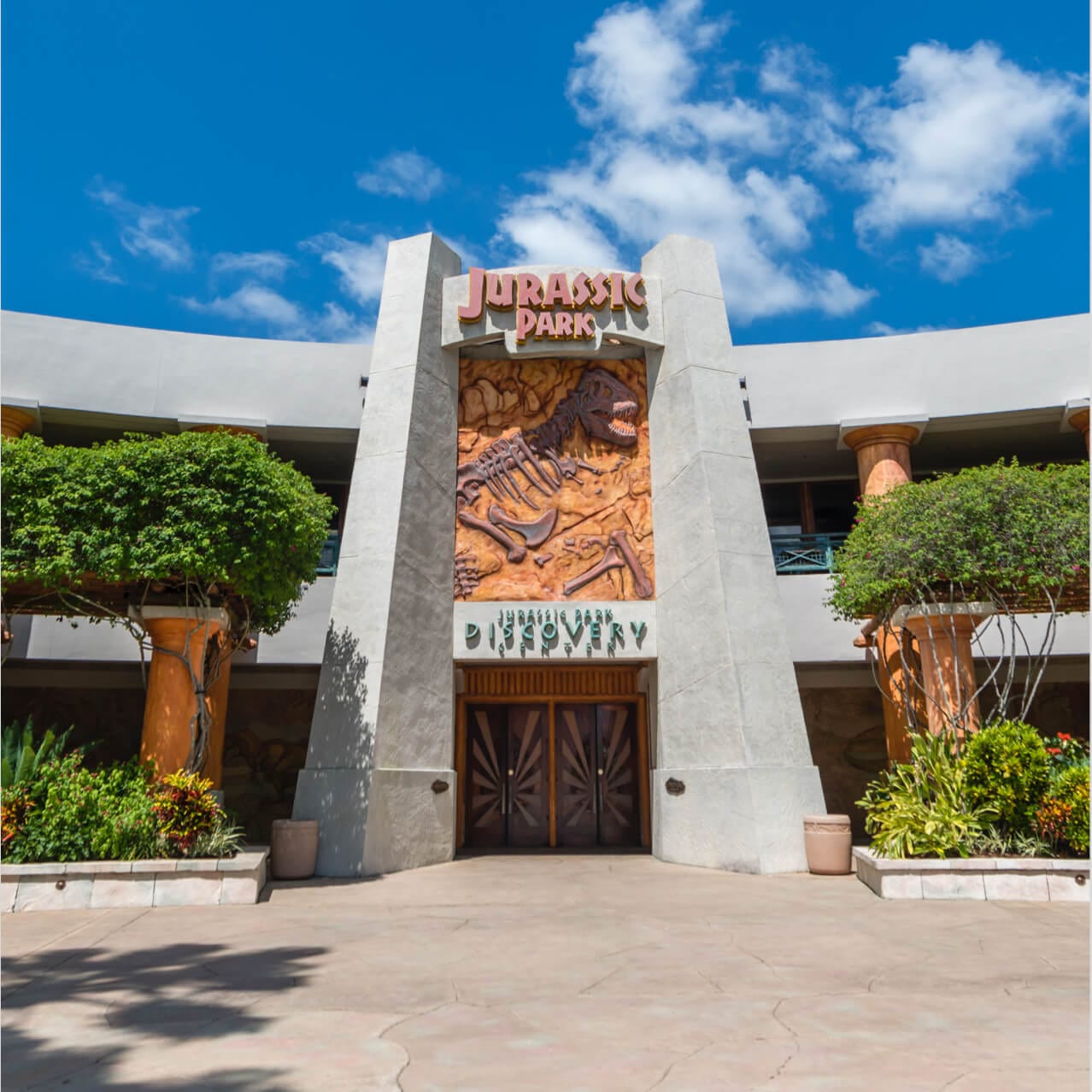
Jurassic Park Discovery Center is the clearest hands-on learning stop in the resort. Universal currently describes it as an interactive center with dinosaur exhibits and nursery activities. Use the space to distinguish fossil evidence, modern scientific tools and the fictional premise of bringing dinosaurs back to life.
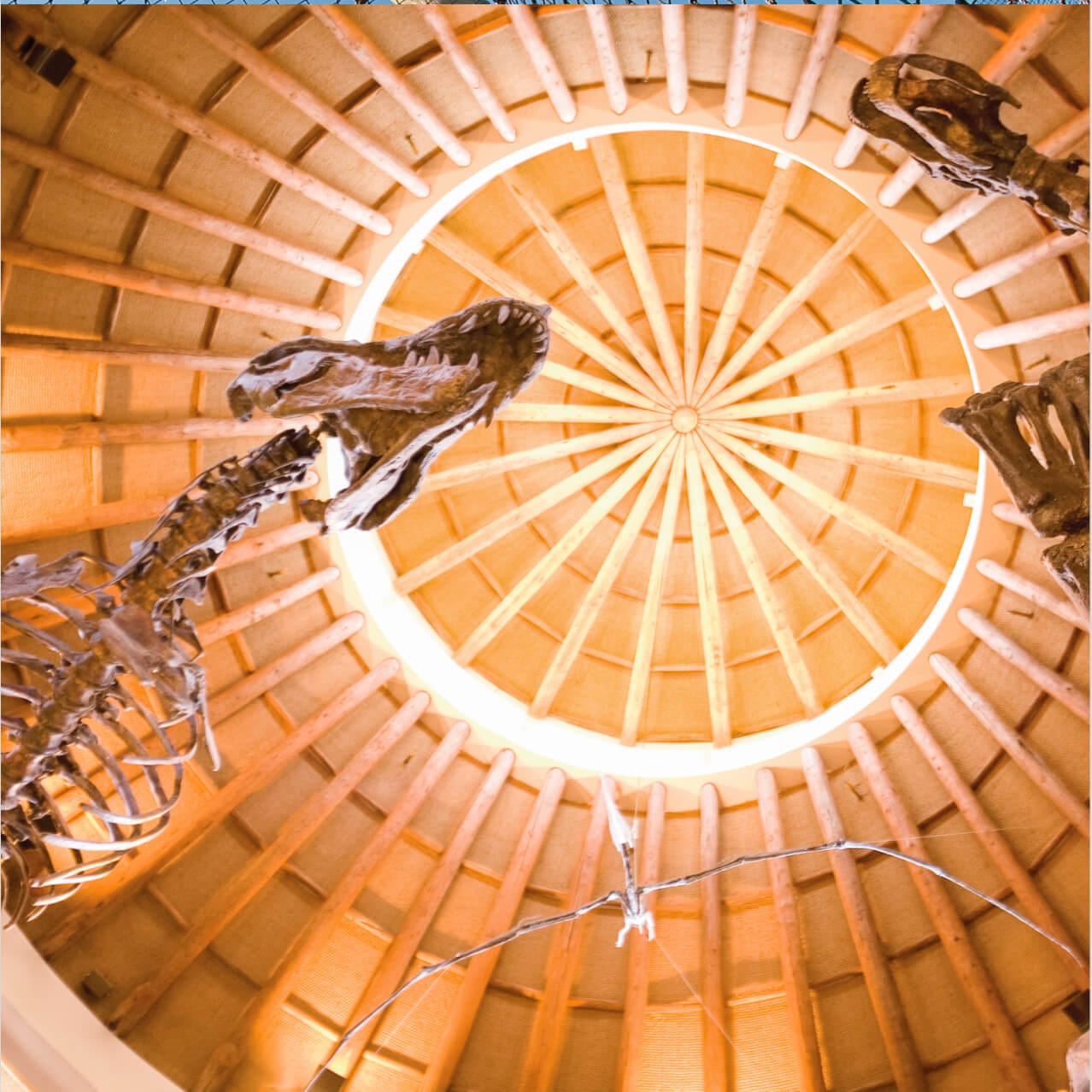
Ask what scientists can learn from bones and what remains uncertain. Compare a reconstructed skeleton with the living animals in the films. Notice how labels, lighting and sound make the room feel like a research facility. If an interactive element is unavailable, the skeletons and exhibit design still support the discussion.
Official action link: Check the current Jurassic Park Discovery Center listing.
Find measurement in ordinary moments
Math can stay practical. Estimate how long a queue will take, then compare the estimate with the actual wait. Split a snack fairly. Read a map scale. Compare the height of a ride structure with a nearby building using visual reference points. Older students can discuss why a posted wait is an estimate rather than a stopwatch promise.
Art, comics, music and adaptation
Theme parks turn stories into physical spaces. That gives children something concrete to examine: color, scale, texture, music, signs, sightlines and the order in which a scene is revealed.
Read a land like an illustrator
In Toon Lagoon, look for speech balloons, oversized lettering and comic-strip sound effects. Ask which details would still communicate without words. Notice where the designers use bright colors to draw attention and where a building becomes a joke.
Seuss Landing works well for younger readers. Compare a familiar page with the shapes, colors and characters in the land. The goal is not to check whether every detail matches. Ask why a designer might combine scenes or change their scale so people can walk through them.
Watch how a show directs attention
A live show can become a short lesson in stagecraft. After The Bourne Stuntacular, ask how lighting, sound, performers, moving scenery and the screen worked together. Universal Orlando’s Horror Make-Up Show can prompt a similar conversation about practical effects and the difference between showing a trick and making an audience believe it.
Show times and availability change. Check the official app on the day of the visit and build the conversation around the performance you actually see.
History and geography without confusing sets for records
Universal Studios Florida includes themed versions of New York and San Francisco. Use them to practice observation, then compare them with reliable photographs or maps later. Look at street width, fire escapes, storefronts, signs and building materials. Ask which choices communicate a city quickly to a visitor.
A themed street is a design interpretation, not a historical source. It can start a geography or architecture question, but it should not settle one.
At Epic Universe, How to Train Your Dragon – Isle of Berk offers a fictional culture built from ships, carved wood, symbols and stories about dragons. Children can identify how the land signals climate, work, transportation and community. Then ask which details come from Norse history, which come from the films and which were invented for the park.
The same approach works in the Wizarding World. Look for clues about government, commerce, school life and transportation within the story. Compare the physical spaces with the books or films your family knows. Treat the result as adaptation analysis, not real British history.
Adjust the idea to the child
| Age | Best format | Example |
|---|---|---|
| Preschool | Spot, sort and imitate | Find three shapes in a building or move like three different creatures. |
| Elementary | Predict, observe and explain | Predict the fastest part of a coaster, then say what changed your mind. |
| Tween | Compare design choices | Choose two lands and explain how color, sound and signs create different moods. |
| Teen | Analyze systems and tradeoffs | Map a queue’s flow, break down a stunt effect or critique how a book was adapted. |
Siblings do not need separate lesson plans. Give each person a different job at the same stop: one spots details, one makes a prediction, one takes a photo where permitted and one asks the follow-up question.
Park plans that leave room for rides
Choose the plan for the park you are actually visiting. Each requires admission to that park. Moving between Universal Studios Florida and Islands of Adventure requires appropriate park-to-park access; Epic Universe is a separate park.
| Park | Three learning stops | Keep it manageable |
|---|---|---|
| Universal Studios Florida | Observe a city-themed street; play a score-and-accuracy challenge at MEN IN BLACK Alien Attack; discuss stagecraft after a show. | Use one meal or queue for conversation and leave the next hour unstructured. |
| Islands of Adventure | Visit Jurassic Park Discovery Center; study comic design in Toon Lagoon; compare a Seuss book with Seuss Landing. | Let the Discovery Center carry most of the learning. The other stops can take five minutes each. |
| Epic Universe | Compare the Stardust Racers tracks; read the compass and celestial details around Astronomica; study material and symbols in Isle of Berk. | Choose two stops when heat, waits or energy make the third feel forced. |
Official planning link: Open Universal Orlando’s current maps and attraction listings.
Use heat and rain to shorten the plan
Hot weather is a reason to reduce the activity. Move the discussion into an indoor attraction, restaurant or shaded queue. Drink water and let the youngest person set the pace. A five-minute observation while cooling down still counts.
Rain can make outdoor track watching and architectural sketching impractical. Shift to a show, an indoor queue or Jurassic Park Discovery Center if it fits the day’s park and operating conditions. Do not cross the resort solely to rescue the lesson.
Check attraction status and show times in the Universal Orlando app. This guide cannot promise that an exhibit, effect, show or ride will operate during a particular visit.
Questions that work almost anywhere
- Before: What do you think will happen, and what detail makes you think that?
- During: What is the designer trying to make you notice first?
- After: What surprised you?
- For a ride: Where did speed or direction change most?
- For a land: Which sound, sign or material tells you where you are?
- For an adaptation: What was kept from the original story, and what changed?
- For a show: Which effect looked physical, and which may have come from a screen or sound cue?
- For a group: Did two people notice different things?
Photos can help children remember a detail for later comparison, but follow posted rules. Many attractions restrict phones and loose articles. Never take a device out where it is prohibited.
Would a VIP tour make the day more educational?
A guided experience can add context and reduce the work of navigating, but it is not required for a learning-focused day. Tour content, access, duration and price vary. Ask what the current tour includes before booking and do not assume a specific backstage area or attraction will be part of it.
A self-guided plan works better for many families because it can stop when the child is tired or deeply interested in something unexpected. The useful part is attention, not the number of facts delivered.
Frequently asked questions
Does Universal Orlando offer a school curriculum?
This guide is an informal family activity plan. It does not represent an accredited course, school program or promise of academic credit.
Do we need to visit all three theme parks?
No. Each park has enough design, storytelling and observation material for a learning theme. Build around the admission you already intend to buy.
What if my child does not ride coasters?
Use viewing areas, maps, themed environments, shows and interactive spaces. Coaster physics can begin with watching a train move through a turn.
Should we bring worksheets?
Only if the child enjoys them. A note in a phone, a quick sketch during a break or one question at dinner is enough for most families.
How do we avoid overplanning?
Choose one question, two or three stops and a clear stopping point. Protect the rides, meals and free time that made the family want the vacation in the first place.
For broader park choices, start with our Universal Orlando planning guide. Families comparing ride access can also use the Universal Orlando height requirements guide.