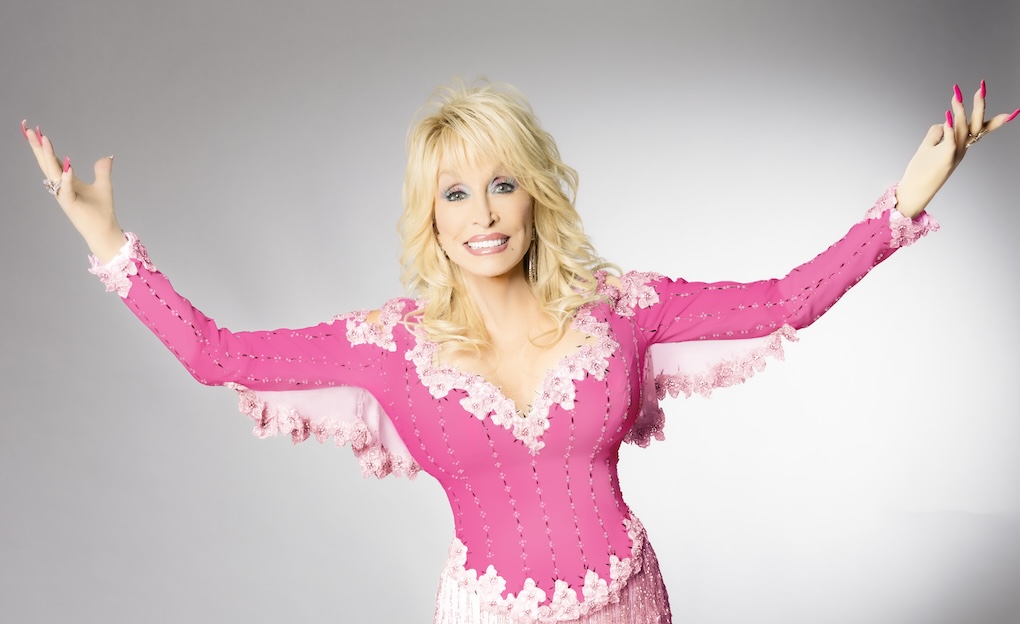
Dolly Parton died Tuesday in Nashville at age 80, her publicist said in a statement reported by the Associated Press. No cause of death was disclosed.
Parton leaves a career rooted in East Tennessee that reached country music, film, television, books, philanthropy and Dollywood, the Pigeon Forge theme park she helped build into a full expression of her Appalachian home.
Dolly Parton Started in East Tennessee and Moved to Nashville at 18
Parton was born January 19, 1946, in Locust Ridge, Tennessee, the fourth of 12 children. Her family’s limited means and close-knit life later shaped songs such as “Coat of Many Colors,” but music was already part of her working life before she was a teenager.
She sang on the Cas Walker Farm and Home Hour in Knoxville and moved to Nashville after graduating high school and turning 18. Her early television and radio appearances led to a national career that kept East Tennessee at the center of her public identity.
Porter Wagoner, “Jolene” and “I Will Always Love You” Made Her a Crossover Star
Parton joined The Porter Wagoner Show in 1967. She spent seven years on the program before leaving in 1974, when she wrote “I Will Always Love You” as a farewell to Wagoner. Her official account of the split notes that Wagoner produced her recording of the song, which became a No. 1 country hit.
Parton then built a solo catalog around songs including “Jolene,” “9 to 5” and “Here You Come Again,” while acting in films such as 9 to 5 and Steel Magnolias. The combination gave her a rare reach across country radio, pop culture and Hollywood without separating her work from the plainspoken details of her upbringing.
Dollywood Made Parton’s Smoky Mountain Roots Part of a Pigeon Forge Amusement Park
In 1986, Parton joined Herschend Family Enterprises in the amusement-park business. Silver Dollar City opened that season as Dollywood, and the partnership kept Parton’s name and East Tennessee identity at the center of the park’s public story.
Dollywood’s roots predate Parton’s partnership. The park’s official history traces the property to Rebel Railroad, which opened in 1961, then follows the later changes that led to Dollywood. Parton’s role gave that history a living figure: her songs, family stories and Appalachian perspective became part of a place guests could visit in Pigeon Forge.
That makes Dollywood a substantial part of Parton’s legacy rather than a short-lived celebrity tie-in. She did not simply lend her name to a gate sign. Her partnership helped turn the park into a regional destination with a distinct sense of place, built around the mountains where her career began.
The Dollywood Foundation Turned Her Family Story Into a Literacy Program
Parton’s philanthropy also grew from the same East Tennessee background. In 1995, the Dollywood Foundation launched Imagination Library in Sevier County, providing free books to children from birth to age 5. The program later expanded beyond the county and became one of the clearest ways Parton connected her family story to practical help for children.
Music made Parton famous, but Dollywood gives her legacy a physical home. In the Smoky Mountains, the park carries the name, sound and regional identity of the woman who helped shape it.
Related Stories
Reporting: Associated Press obituary. Background: Dolly Parton’s official biography, Dollywood’s official history and Imagination Library.
Image: Dolly Parton’s official website.