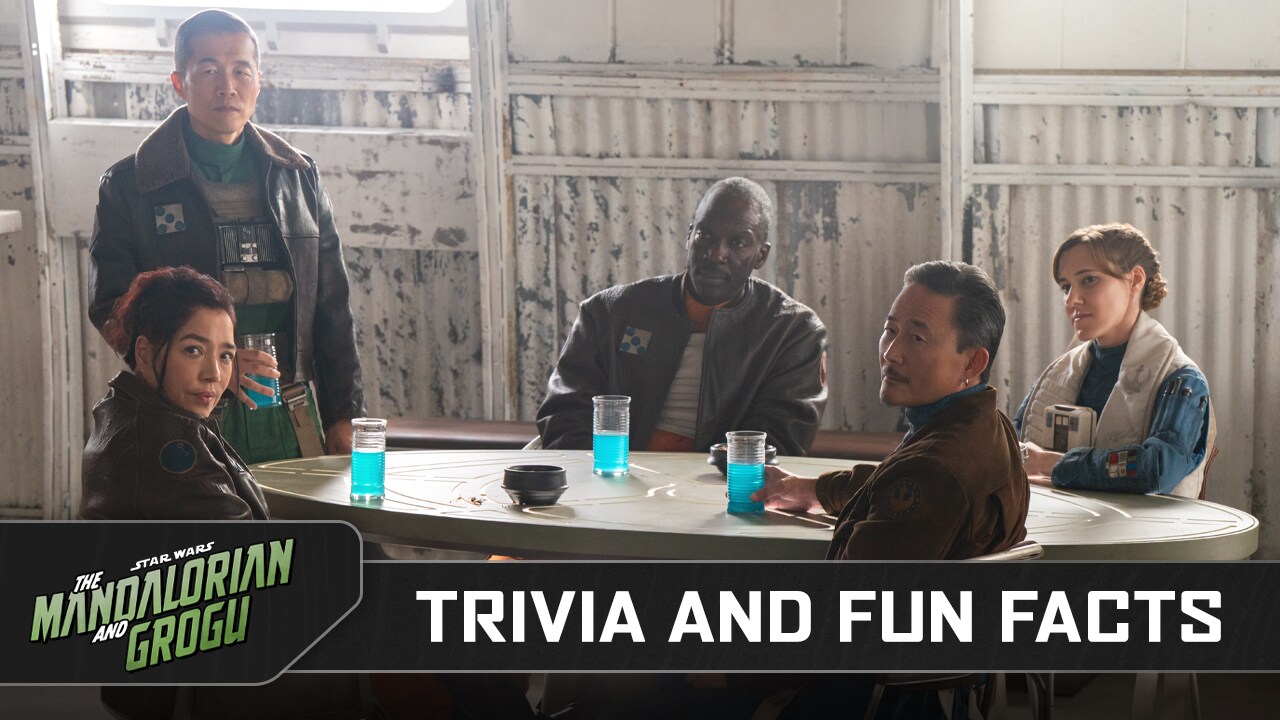
The Mandalorian and Grogu now has 45 documented behind-the-scenes facts, covering the film’s characters, older Star Wars references, production cameos and the practical work behind its larger set pieces. The StarWars.com update is dated September 3. The film is now streaming on Disney+.
Rotta's story reaches back to The Clone Wars
Rotta the Hutt first appeared as Jabba's son in the 2008 animated film The Clone Wars. In the new movie, a live-action holo image of baby Rotta uses a model hand-painted by director Jon Favreau. The older version is performed by Jeremy Allen White, while David Acord, who voiced baby Rotta in animation, handles sound design for the film.
The film threads through older Star Wars
One of the most specific callbacks is a Red Jammer Y-wing model borrowed from the Lucasfilm archives. The model helped shape the full-size Y-wings in A New Hope but had never appeared on screen before. The guide also points to the creatures in the film's dejarik match, Anthony Daniels' voices for the air-traffic-control droids and a nod to the Star Wars Holiday Special in Din Djarin's new Amban rifle.
Familiar names appear in the background
Several Lucasfilm filmmakers show up among the New Republic recruits at Adelphi Base, including Dave Filoni, Doug Chiang, Michelle Thieme, Deborah Chow, Lee Isaac Chung and Rick Famuyiwa. A sign reading “Weathers Apollo” honors Carl Weathers, who played Greef Karga and also portrayed Apollo Creed. The Moon of Shakari, meanwhile, draws on the look of Prohibition-era Chicago and Favreau's time in the city.
Built for IMAX and practical reference
The production built its sets around the film's taller 4:3 IMAX frame. Two physical Razor Crest models, one two feet tall and one four feet tall, supported motion-control visual-effects work. Even Grogu received a small piece of the press-tour machinery: he had his own junket room and attended the Oscars.
Sources: the behind-the-scenes facts and trivia guide on StarWars.com and the official film page.
Image: StarWars.com.